This website is not affiliated with any political party, organization, or institution.
Additional sections and content are currently in development.
If you would like to assist with or contribute to specific sections or content, please contact us at Unity@IranUnity.org

Modern Constitutional Monarchy
Why Presidential Systems Collapse Nations
Chaos, Corruption, and Endless Power Struggles
In societies without deep trust and strong institutions, presidential systems are structurally dangerous.
They consistently produce:
Extreme polarization, everyone for themselves
Personality cults instead of institutions
Money power and corporate control over politics
Mafia-style corruption, easily captured systems
Permanent campaigning, not governing
Short-term thinking instead of national vision
No continuity, every few years a new group tears everything down
Fighting, insults, instability, and division
Power concentration without real accountability
Without a unifying guardian:
Corruption spreads fast
Institutions weaken
Democracy turns into chaos
Society fractures
Violence becomes inevitable
Many nations trapped in instability today suffer not from lack of elections, but from lack of a neutral national guardian to keep democracy healthy, restrained, and honest.
Elections alone do not create freedom. Stability and unity do.
Learn more: Why Guardian-Based Democracies is stable and Last →
Modern Constitutional Monarchy (Guardian Democracy)
Unity, Continuity, and Protection of Democracy
Iran’s constitutional monarchy is not about ruling — it is about guarding.
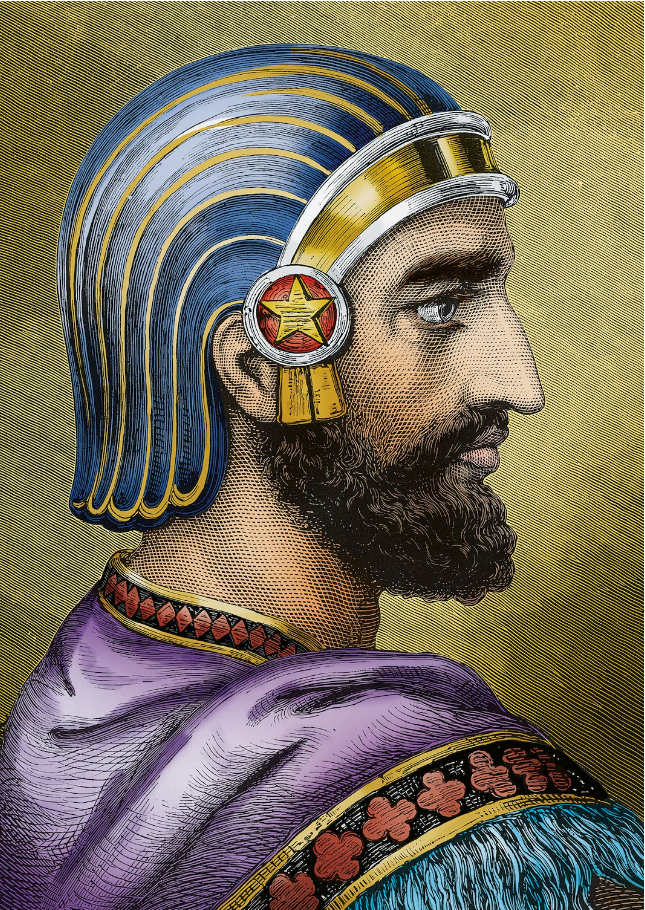
From Cyrus and Darius, to Mashrooteh, Iran’s strength came from having:
A national father-figure above factions
A unifying authority that protects the country, not parties
A system where democracy exists within moral and constitutional boundaries
A modern constitutional monarch:
Is non-partisan and above politics
Guards the constitution and national unity
Protects long-term interests: environment, culture, education, science, and future generations
Acts as a brake against corruption, extremism, and power capture
Keeps democracy disciplined, ethical, and stable
Democracy works best when someone protects it from its worst impulses.
This guardian role prevents:
Mafia capture
Corporate money control
Personality cults
Revenge politics
Institutional collapse
It gives the nation continuity, even as governments change.
Learn more: Modern Mashrooteh & Guardian Democracy →
Constitutional Monarchy 2.0
Guardian Democracy for a Stable, Free, and Advancing Iran
This is not the monarchy of the past.
And it is not the chaos of leader-centric republics.
Constitutional Monarchy 2.0 is a guardian-democratic system designed for nations that value freedom and continuity, democracy and discipline, change and stability.
It is rooted in Iran’s civilizational experience, from Cyrus and Darius, through Mashrooteh, and aligned with modern principles of consultation, education, equality, and moral governance.
Why Democracy Alone Is Not Enough
History has made one thing clear:
Democracy without a unifying guardian easily degrades into chaos, corruption, and capture.
In pure presidential or leader-centric systems, especially in divided or post-revolutionary societies, power inevitably:
Concentrates around personalities
Falls under money, corporate, or mafia control
Produces extreme polarization (“everyone for themselves”)
Creates permanent campaigning instead of governing
Replaces long-term vision with short-term survival
Collapses continuity every few years
Turns institutions into weapons against rivals
Without a neutral father-like guardian, no one protects democracy from its worst behavior.
What Constitutional Monarchy 2.0 Fixes
1. A National Guardian Above Factions
The King is not a ruler and not symbolic.
He is the constitutional father-guardian of the nation:
Above parties, money, ideology, and elections
Bound strictly by the constitution
Accountable, removable, and non-political
His role is to protect the system, not control it.
2. Democracy With Discipline
Governments are fully elected
Parliament legislates
Courts are independent
Media is free
But democracy operates within constitutional boundaries, not emotional mob cycles or personality cults.
Freedom survives when someone protects the rules, not when everyone breaks them to win.
3. Continuity Across Generations
Presidential systems reset power every few years.
Constitutional Monarchy 2.0 preserves national memory.
The King ensures:
Long-term policies survive elections
Institutions are not dismantled by every new faction
National priorities outlive political moods
This is how nations progress instead of repeating mistakes.
The King’s Real, Modern Responsibilities
The King does not govern daily politics, but he actively guards Iran’s future in areas that must never be politicized:
A. Guardian of the Constitution
Can trigger constitutional review of dangerous laws
Acts as a brake against authoritarian drift or populist collapse
Protects rights, unity, and territorial integrity
B. Steward of the Nation’s Future
The King chairs independent, non-partisan national councils in:
Environment & Water Security
Education, Science & Innovation
Culture, Arts & Civilizational Heritage
National Reconciliation & Social Trust
These domains require continuity, wisdom, and long vision, not election cycles.
C. Weighted Guardian Voice on Existential Decisions
On major national decisions only (war, constitution, sovereignty):
People (referendum): majority
Parliament: supermajority
King: limited guardian assent
The King cannot dominate, but can slow reckless decisions, raise standards, and demand consensus.
This is fatherly restraint, not control.
Why This Model Produces Better Societies
Nations with constitutional monarchies consistently show:
Higher institutional trust
Greater political stability
Lower corruption capture
Less polarization
Stronger long-term planning
Healthier civic culture
Because:
Power is shared, restrained, and watched — not personalized.
Why This Fits Iran Specifically
Iran is:
Civilizational, not ideological
Historical, not experimental
Diverse, not monolithic
Iranians instinctively understand:
The need for a national father-figure
The danger of unchecked rulers and unchecked factions
The value of continuity alongside reform
Constitutional Monarchy 2.0 respects:
Iran’s identity
Iran’s constitutional memory (Mashrooteh)
Iran’s modern aspirations
Iran’s deep desire for dignity and stability
In One Sentence
Constitutional Monarchy 2.0 protects democracy from corruption, chaos, and collapse by giving the nation a neutral guardian who ensures continuity, discipline, and long-term progress.
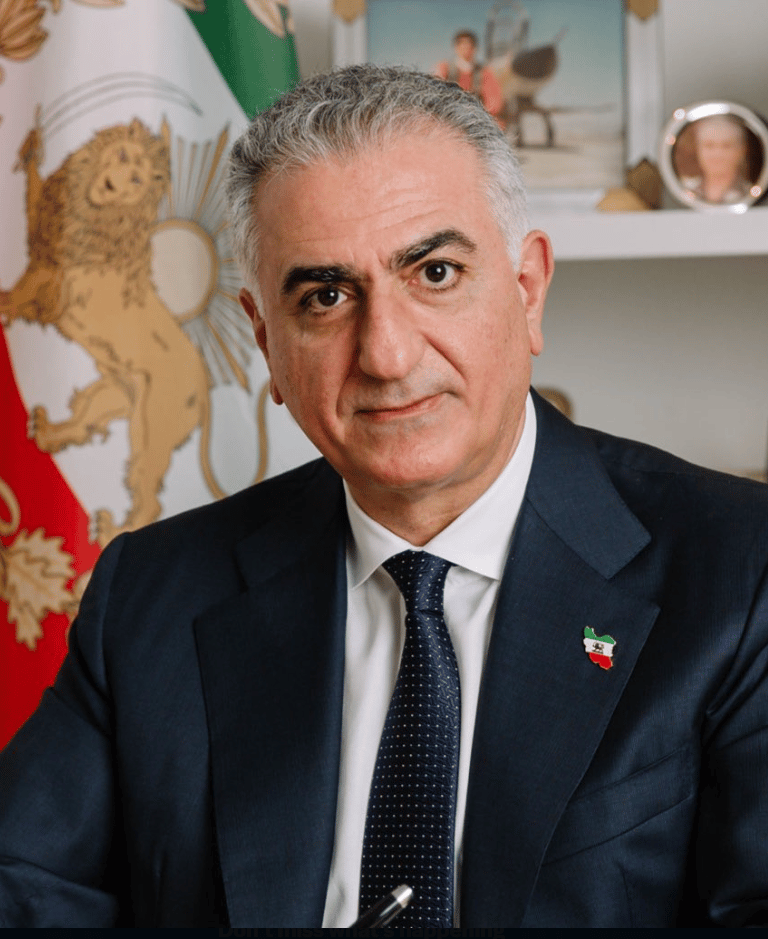
MONARCHY + DEMOCRACY
Continuity Is Not Dictatorship
And Democracy Is will e chaotic Chaos
Iran Unity does not promote personalities or power claims.
It highlights a structural principle:
Nations transition more safely when symbolic continuity and democratic accountability coexist.
In constitutional systems:
The state belongs to the nation, not a ruler
Leadership is bounded by law
Governments change without collapsing the country
National identity remains intact during reform
This model:
Reduces fear
Prevents revenge cycles
Protects minorities
Encourages long-term planning
This is why Iran’s constitutional heritage matters now.
Learn more: Continuity & Accountability →
Educational, non-partisan, Iran-rooted. Governance Beyond Extremes
Learning from Iran’s Constitutional Experience.
Iran’s modern political challenge is not a lack of ideas—but the repetition of imported or extreme models that ignore Iran’s historical balance between continuity and accountability.
Iran’s own constitutional tradition, Mashrooteh, offers a distinct path:
National continuity and symbolic unity
A constitutional guardian of the state
An accountable, elected government
Rule of law over personal rule
Stability without authoritarianism
Democracy without chaos
Why Pure Presidential Systems Often Fail
Across many regions, highly centralized presidential systems tend to produce:
Power concentration
Polarization and division
Institutional paralysis
Personality-driven politics
Cycles of instability
Iran’s history—and global experience—shows that strong institutions matter more than strong individuals.
A Balanced Constitutional Model
Successful societies tend to combine:
A neutral, non-partisan national guardian
A democratically elected government
Independent judiciary
Free press and civil society
Clear limits on power
This is not nostalgia.
It is institutional maturity.
Related: Mashrooteh Explained →
Related: Stability vs. Chaos in Transitions →


Esther Bryce
Founder / Interior designer


Lianne Wilson
Broker


Jaden Smith
Architect


Jessica Kim
Photographer